Is Playa Del Carmen Safe? Eating And Walking Tips
Playa del Carmen is one of the most walkable resort towns on the Caribbean coast, and most food-focused visits go smoothly. This page covers the practical safety questions travellers actually ask before eating their way through town.
Short answer
Playa del Carmen is generally a manageable destination for visitors who take normal precautions: walk the busy tourist core, use licensed taxis at night, drink bottled or purified water, and remember hurricane season runs June 1 to November 30. Guided food walks, from $57.31 to $77.51, keep you on well-trafficked routes with a local host.
Playa del Carmen grew from a ferry dock for divers heading to Cozumel into a city of 304,942 people at the 2020 census, and it did so almost entirely on tourism. That single fact shapes the safety picture more than any statistic: the town's economy depends on visitors having a smooth, pleasant time, and the areas travellers eat in are the most policed, lit and trafficked parts of the city. The practical questions below are the ones food travellers actually ask, answered with planning-level advice rather than promises, because no honest guide can guarantee outcomes that depend on weather, crowds and individual behaviour.
Is Playa Del Carmen Safe For Tourists Overall?
For most visitors who take the same precautions they would in any busy tourist city, Playa del Carmen is a manageable destination with no unusual barriers for food travellers. The town is compact, the tourist core along and around Quinta Avenida stays busy into the night, and the main risks are the ordinary ones: sun, alcohol, unfamiliar food and petty opportunism, not anything specific to eating out.
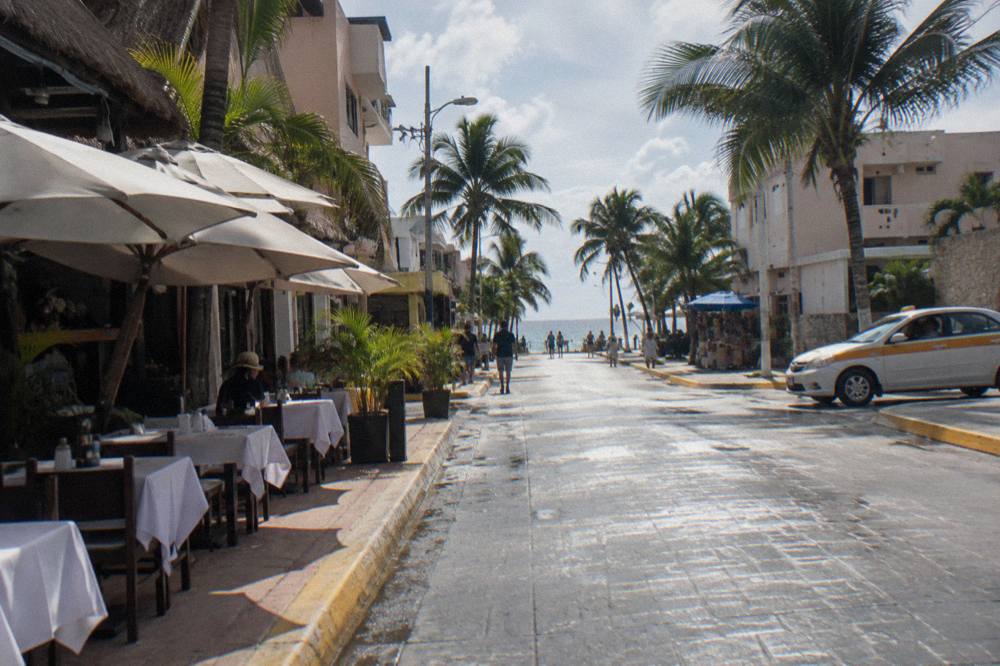
The honest framing is that safety in Playa del Carmen is mostly a geography and timing question. The pedestrian spine of Quinta Avenida, the main tourist street, the beachfront blocks and the residential-grid streets immediately inland form one continuous zone where visitors are common, businesses depend on them, and foot traffic rarely thins out completely before midnight. A few blocks further inland the character shifts to local commerce and quieter streets, which are perfectly normal places but where a visitor strolling alone at 2 a.m. stands out simply because few people are out. Local safety advice reported by area blogs is consistent on this point: stay around Quinta Avenida and Playacar after dark, use licensed taxis rather than walking long empty stretches late, and treat the hours after the bars close as taxi hours rather than walking hours.
None of this is unique to Mexico. It is the same calculus you would apply in any Mediterranean resort town or Caribbean port city. What Playa del Carmen does have in its favour for food travellers specifically is density: the eating experiences most visitors want, from taco stands to cooking classes, cluster in a walkable central band roughly bounded by the beach, Calle 30 and Avenida Constituyentes. You are rarely more than a few minutes from a lit street, a hotel lobby or a taxi stand. That density makes it easy to eat well on foot, and if you want help telling the worthwhile stands from the ones to pass by, our guide to what tourists should generally skip eating in Mexico keeps the advice practical rather than alarmist.
A guided walk is one way to short-circuit the orientation problem entirely. The Veggie-Friendly Food and City Walk covers both the food stops and the city layout in one outing, from $59.00 per person with a group cap of 10, and it doubles as a walking lesson in which streets connect where. This site's broader roundup of the best food tours in Playa del Carmen covers every format on offer if you want to compare options before committing.
Is Quinta Avenida Safe To Walk At Night?
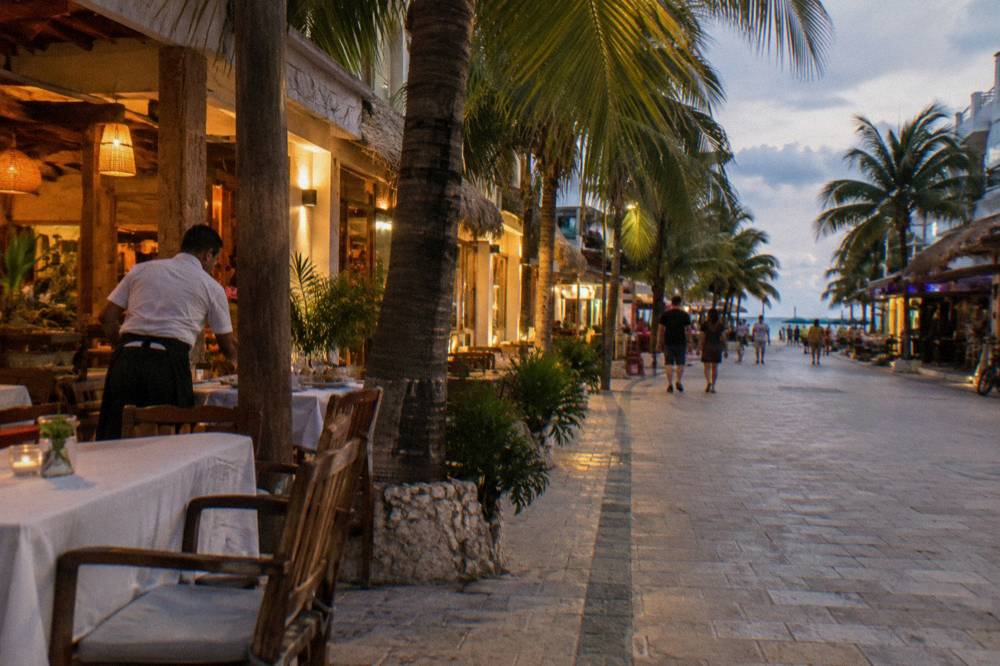
Yes, in the practical sense that thousands of visitors walk Quinta Avenida every night of the year, the street is pedestrianised, continuously lit and lined with open businesses, and it is the single most trafficked visitor corridor in town. Normal care about valuables and alcohol applies, and the side streets a few blocks inland quiet down much earlier than the avenue itself.
Quinta Avenida is Playa del Carmen's main tourist street, roughly a pedestrian-only corridor running parallel to the beach, and it behaves at night like any busy promenade: restaurants spill tables onto the walkway, vendors and musicians work the flow of people, and the crowd thins gradually rather than suddenly. The walk from Parque Los Fundadores at the south end up through the numbered cross streets of the north end passes through continuously commercial blocks. Practical tips that hold up in any such setting: keep phones and wallets out of back pockets, agree taxi fares before getting in where meters are not used, and travel in pairs or groups in the very late hours.
Two nuances matter for food travellers. First, several of the best eating streets are the cross streets, Calle 12, Calle 28, Calle 34, where the restaurant concentration is high and evening foot traffic stays strong because dinner in Mexico runs late. For a visitor this mostly means some storefronts change between visits, not that the street is unsafe; the closures were attributed to a soft season, and the avenue remains the town's busiest evening space by a wide margin.
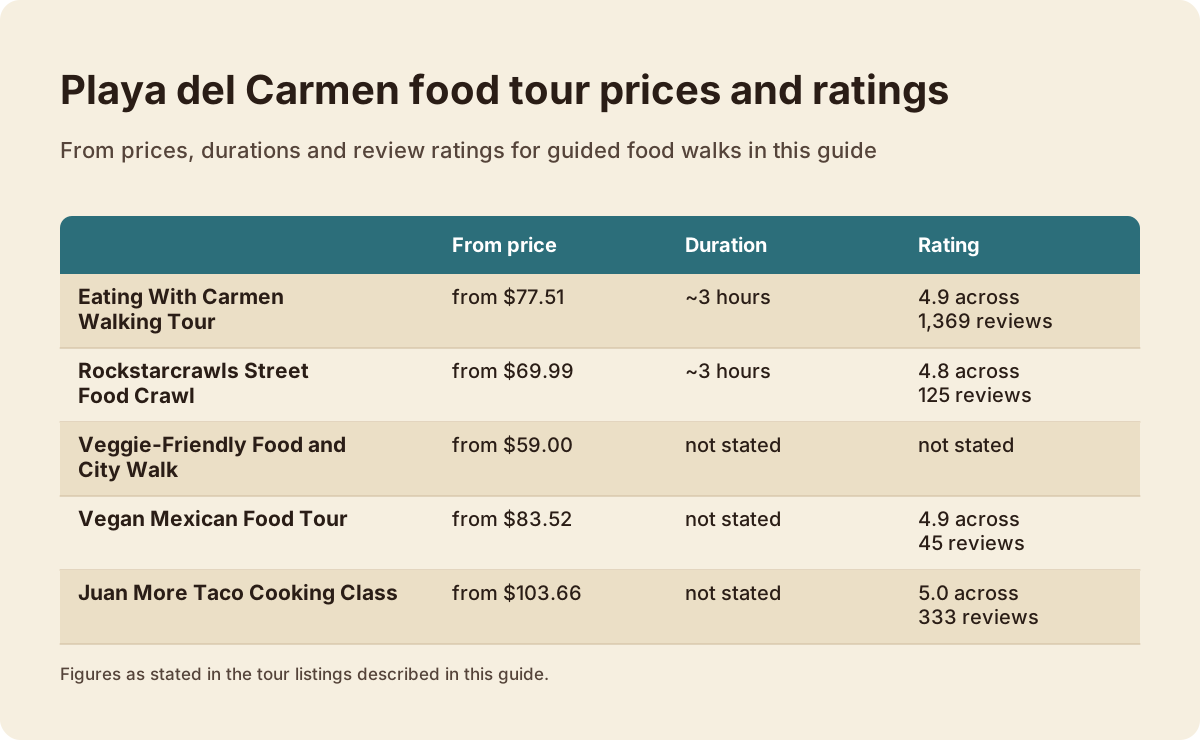
If you would rather have a local set the pace, the most reviewed walk on the options list is the Eating With Carmen Walking Tour, about three hours on Quinta Avenida, rated 4.9 across 1,369 reviews, from $77.51 with the booking page showing the price basis for your group size. Free cancellation is listed.
The three walks above share a format that suits safety-minded visitors: fixed routes through busy central districts, food and drinks included, and a host who handles the navigation. The Rockstarcrawls Street Food Crawl, from $69.99 per person, rated 4.8 across 125 reviews, caps groups at 20 and covers the same pedestrian core in about three hours.
Is Street Food Safe To Eat In Playa Del Carmen?
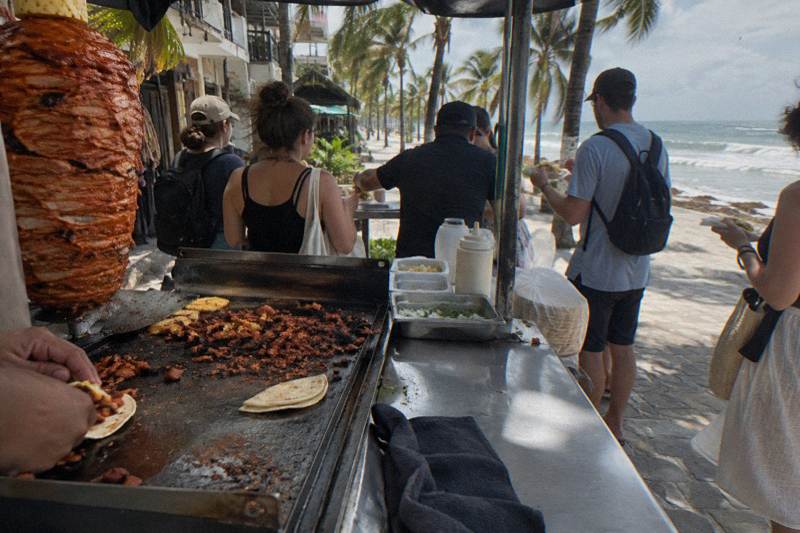
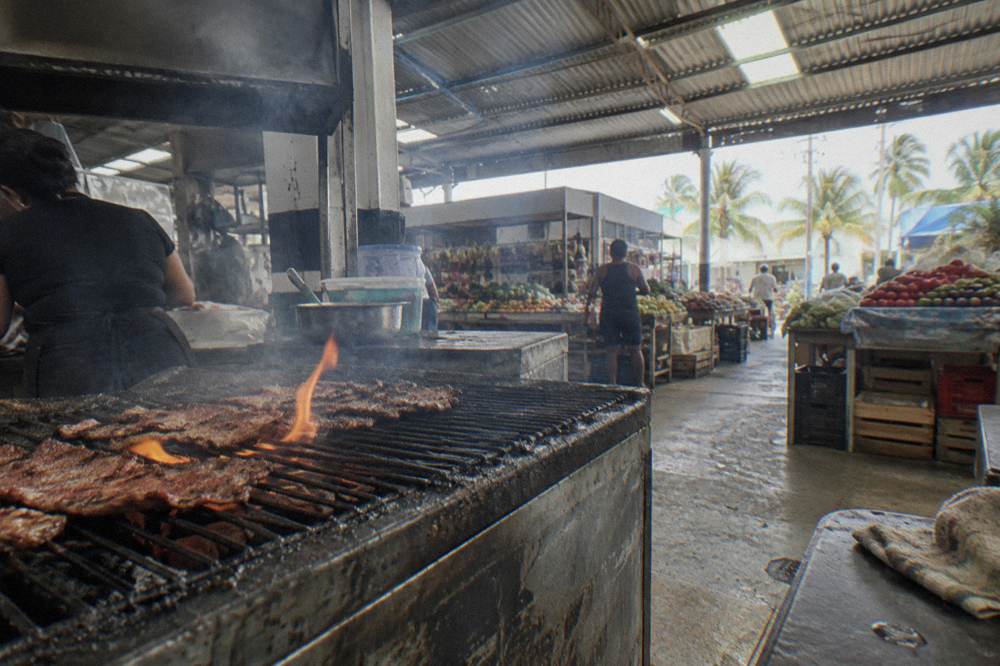
Street food in Playa del Carmen is generally safe for visitors who apply the standard rules: favour stands with fast turnover and visible cooking, eat where locals are eating, and prefer food cooked hot in front of you over items held at room temperature. Guided taco walks remove most of the guesswork because the host has already vetted the stands.
The reassurance here is structural rather than statistical. A busy trompo spinning al pastor, a grill with meat coming off continuously, a cochinita pibil stand that sells out by noon: these are places where nothing sits long enough to spoil, and a stand's whole business depends on not making its regulars ill. The caution cases are the quiet exceptions, items that have sat in a display case for hours, peeled fruit from an unknown source, anything lukewarm. Sun and unfamiliar spices cause more traveller stomach trouble than genuine contamination, so pace yourself on heat and grease on day one rather than treating every rumble as a safety failure.
Hydration goes with this topic: the legal drinking age in Mexico is 18 in all states with ID required, bars and tour operators enforce it, and alcohol plus tropical heat is the combination that actually lands most visitors in trouble, so alternate water with cervezas. Every guided option on this site includes food, most include drinks, and all describe free cancellation on their booking pages, so there is little downside to booking ahead and adjusting later.
| Tour | Area | Duration | Food safety angle |
|---|---|---|---|
| Eating With Carmen Walking Tour | Quinta Avenida | ~3 hours | Vetted central route, food and drinks included |
| Secret Food Tours, 8+ Dishes | Quinta Avenida | ~3 hours | Small group of 12, sit-down Yucatecan kitchens |
| Authentic Taco Walk | Centro | ~2 hours 30 minutes | Small group of 10, local taquerias with a guide |
| Rockstarcrawls Street Food Crawl | Quinta Avenida | ~3 hours | Crawl format, host picks every stop |
For diners with allergies or strict dietary needs, never assume a tour can accommodate you: message the operator before booking. The vegan option, the Vegan Mexican Food Tour in Centro, rated 4.9 across 45 reviews from $83.52 per person, is a good example of a specialised listing worth confirming details with directly. The page on what not to eat in Mexico as a tourist goes deeper on the food-caution side, and the question of where residents themselves eat is covered in where locals eat in Playa del Carmen.
Is The Tap Water Safe To Drink In Playa Del Carmen?
No visitor should drink tap water in Playa del Carmen; use sealed bottled water or purified water, which hotels and restaurants routinely provide, and use the same rule for ice in any establishment that looks casual or remote. Reputable restaurants and every guided tour on this site use purified water, so the risk window is mainly self-catering and very informal stands.
This is the single most effective health precaution in the Yucatan, and it is easy to follow. Buy sealed bottles, use the garrafon jars most accommodations provide, and brush teeth with bottled water if your stomach is sensitive. Raw produce washed in tap water is the less obvious vector, which is another quiet argument for eating at busy cooked-food stands and established restaurants rather than assembling your own salads from market produce on day two.
Guided experiences handle this for you. The listings uniformly include food, most include drinks, and operators on the tourism corridor work to visitor standards. A sit-down format like the Juan More Taco Cooking Class, rated 5.0 across 333 reviews from $103.66 per person in the Ejido district, covers market shopping and home-kitchen cooking with purified water throughout, which is also a gentle way to learn which ingredients you can trust raw versus cooked.
What Areas Should You Be Careful Around In Playa Del Carmen?
The districts visitors eat in, Centro, Quinta Avenida, Constituyentes, Playacar and the northern beach blocks, are all ordinary tourist terrain where standard urban care is enough. The situations worth avoiding are generic rather than geographic: empty streets after 2 a.m., unlicensed taxis hailed casually late at night, and long solo walks through non-commercial residential blocks far inland.
Area-by-area, the practical picture looks like this. Centro and Quinta Avenida carry the heaviest visitor traffic and the most eyes on the street. Constituyentes and Zazil-Ha, where several food tours and the tequila and mezcal experiences are based, are mixed commercial-residential streets that stay lively through dinner hours. Ejido, inland and more local in character, is where some of the best cooking classes operate; the group sizes there are small, from 8 to 14, and operators typically arrange meeting points that avoid any confusion about where to arrive. Playacar, the gated resort-and-residential zone to the south, is the quietest and most controlled area, home to private chef experiences like the Private Chef-House Tequila Cooking outing, from $269.00 with the price varying by group size, so the booking page shows the basis.
| District | Character | Evening walking | Food experiences based there |
|---|---|---|---|
| Quinta Avenida | Pedestrian tourist spine | Busy into the night | Walking food tours, street food crawls |
| Centro | Central grid, dense restaurants | Busy through dinner | Taco walks, vegan tour, budget crawls |
| Constituyentes | Mixed commercial, growing food scene | Active in stretches | 14-tasting tours, tequila and mezcal |
| Ejido | Local, inland, residential | Quieter, go with a guide | Juan More Taco cooking class |
| Playacar | Gated resort zone | Controlled, quiet | Private chef and brunch experiences |
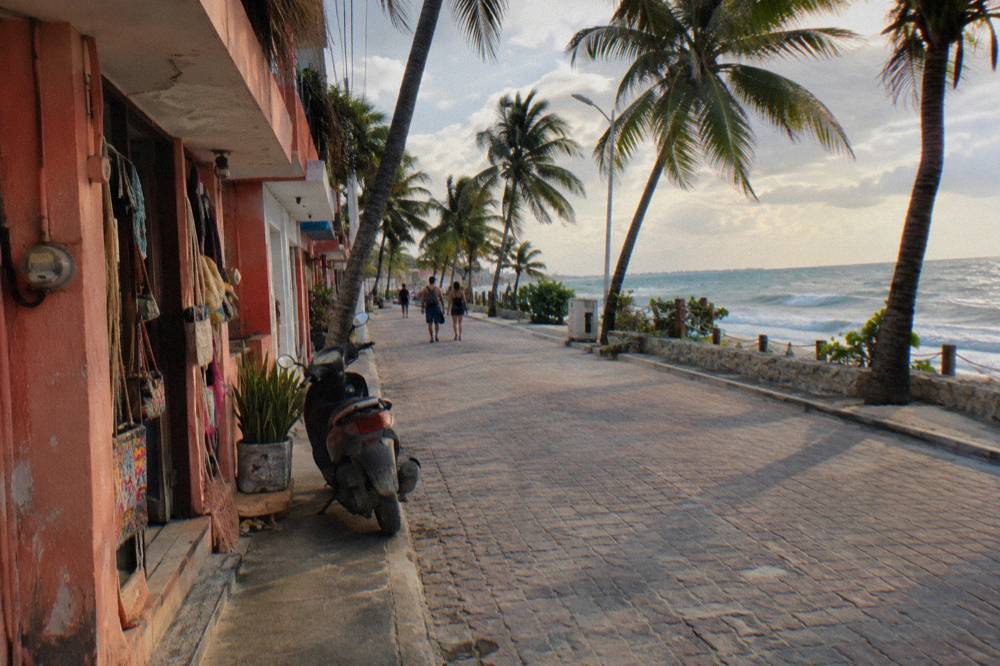
Transport between areas is where care actually pays off. Licensed taxis are the reported local recommendation for night moves, and stands cluster at the ferry dock, along Quinta Avenida's cross streets and outside the larger hotels. The Tren Maya, which began operating in December 2023 with a Playa del Carmen station, has added a rail option for regional travel, though fare details should be checked on the official site rather than assumed.
When Is The Riskiest Time Of Year To Visit Playa Del Carmen?
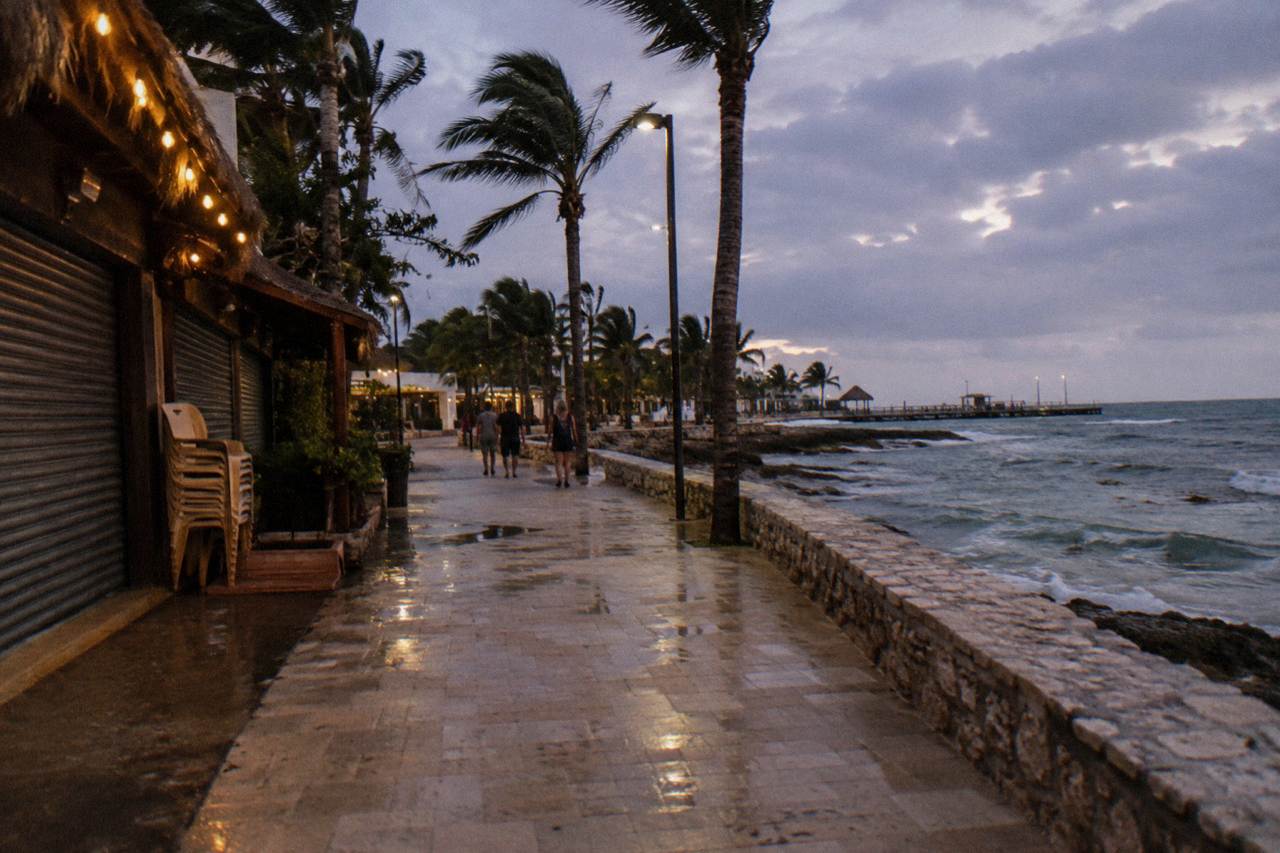
From a weather standpoint, the Atlantic hurricane season runs June 1 to November 30 with activity peaking around September 10, and October is statistically Playa del Carmen's wettest month at 284.3 mm of rain, while March is the driest at 28.1 mm. Crime and safety conditions do not follow the calendar in any way a visitor can plan around, but weather genuinely does.
The climate record for Playa del Carmen shows a tropical pattern with a clear rhythm: mean daily highs range from 27.8 C in January to 32.9 C in August, rain concentrates from June through November, and the town averages about 102.8 rainy days a year. None of that makes summer a bad visit, storms are episodic and the town has decades of practice with them, but travellers booking June through November should know the season dates, watch forecasts rather than assuming a storm, and prefer bookings with flexible cancellation. Helpfully, every guided food experience listed on this site describes free cancellation on its booking page, which removes most of the weather gamble from a pre-booked tour. And if a rainy stretch has you rethinking your plans, the Tulum food tour from Playa del Carmen guide lays out how to turn a weather-flexible day into a food-focused trip down the coast.
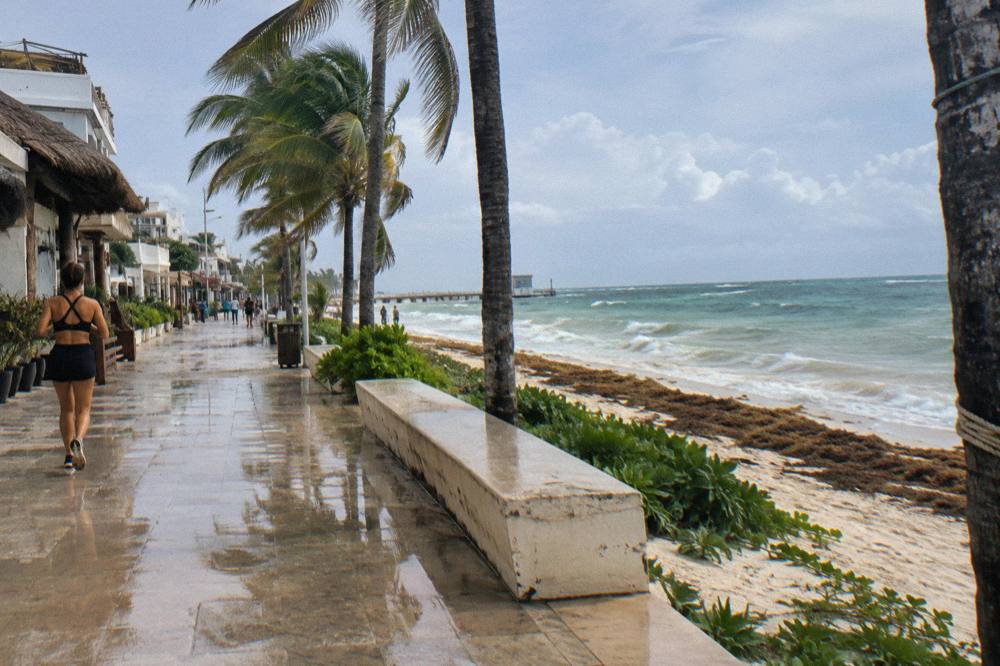
Sargassum seaweed is the other seasonal factor, and it is a beach comfort issue rather than a safety one: blooms have appeared on the Mexican Caribbean coast most summers since 2011, and conditions change week to week, so check current reports near your travel dates instead of planning around a fixed assumption. Food tours are barely affected either way, since almost every route runs on streets and in kitchens, and the e-bike option, the E-Bike Cenote and Cuisine Ride from $119.00 per person, heads inland to freshwater cenotes rather than the beach.
How Does A Guided Food Walk Help With Safety?
A guided walk puts you on a pre-planned route through the busiest districts with a local host who handles navigation, vendor selection and timing, which removes most of the small decisions, which street, which stand, is it late, that a first-time visitor gets wrong. Group sizes on Playa del Carmen food walks run from 8 to 24, and every listing on this site includes food with free cancellation described on the booking page. Many of these walks spend time on Quinta Avenida, so if you're weighing that stretch on your own, the guide to staying safe on 5th Avenue in Playa del Carmen covers common scams, evening habits, and how a guide changes the walk.
The mechanism is simple. On your first night in an unfamiliar city you are guessing: how far is too far inland, is this taco stand trustworthy, is the walk back to the hotel sensible at this hour. A guide erases the guessing because the route was chosen long before you arrived. The Private Inlakech Food Walk, rated 5.0 across 36 reviews from $76.42 with the booking page showing the price basis, is a private format, which means the route and pace adapt entirely to your group. The Secret Food Tours 8+ Dishes walk, rated 5.0 across 44 reviews from $81.00 per person, caps at 12 guests for the same vetted-route logic in a shared format.
Guides also carry institutional knowledge no blog can: which blocks to shortcut through, which stands have the fast turnover, where the good licensed taxis wait. And because Playa Del Carmen Food Tours lists only experiences with food and nearly all with drinks included, there is no awkward mid-walk hunt for a convenience store in an unfamiliar district after dark.
| Concern | On your own | On a guided walk |
|---|---|---|
| Choosing safe street vendors | Judged by sight | Pre-vetted by the operator |
| Night navigation back to your hotel | Your own route-finding | Tour ends near central pickup points |
| Language barriers at stands | Gestures and luck | Host translates and orders |
| Water and ice sourcing | Your own checking | Operator uses purified supplies |
| Dietary restrictions | Explained dish by dish | Raised once, before booking |
The budget end of the guided spectrum makes this accessible too: the 4-Hour Budget Food Crawl in the Ejido area runs from $23.46 per person with a maximum of 8 guests, and the Guided Tasting of 15+ Tropical Fruits costs from $22.00 per person. Small caps like those mean the host's attention is not spread thin, and the low price makes a guided first night easy to justify even on a tight budget. For comparing formats side by side, the walkthrough in what to expect on a food tour in Playa del Carmen covers the mechanics, and whether a food tour is worth it here weighs the value question.
Common Questions About Is Playa Del Carmen Safe
Is Playa Del Carmen Safe?
For most visitors taking normal precautions, yes, in the practical sense that the tourist core is compact, busy and walkable, millions of people visit without incident, and the real planning risks are weather and ordinary urban care. Walk busy streets, use licensed taxis late at night, and keep valuables secure.
Is Playa Del Carmen Safe At Night?
Quinta Avenida and the central restaurant streets stay busy and lit well into the night and are normal evening walking terrain. The standard local advice is to stay in the Quinta Avenida and Playacar zones after dark, use licensed taxis for longer or later moves, and avoid empty residential streets in the very late hours.
Is It Safe To Eat Street Food In Playa Del Carmen?
Generally yes, with the standard rules: choose stands with fast turnover and visible cooking, eat where locals eat, and prefer food cooked hot in front of you. A guided taco or street food crawl applies that filter for you with a local host.
Can You Drink The Water In Playa Del Carmen?
No. Drink sealed bottled or purified water, which hotels, restaurants and tour operators provide, and be cautious with ice at very informal stands. Use bottled water for brushing teeth if you are sensitive.
When Is Hurricane Season In Playa Del Carmen?
Atlantic hurricane season runs June 1 to November 30, with peak activity around September 10 and October the wettest month on the climate record. Book flexible or free-cancellation experiences during those months and watch forecasts near your dates.
Do I Need A Guide To Eat Safely In Playa Del Carmen?
No, plenty of visitors self-navigate the taco scene without problems, but a guide removes the guesswork on your first nights: vetted stands, a set route through busy districts, and a local who knows which blocks to avoid after dark. Guided walks start from $22.00 per person on this site's options.