Is It Worth Going To 5th Avenue Playa Del Carmen?
Quinta Avenida is Playa del Carmen's pedestrian spine, blocks of shops, cafés and taco stands through the town center. What it delivers, what it does not, and when a guided food walk turns the strip into a food destination.
Yes, for most visitors it is worth one unhurried evening, and it becomes genuinely worth it when food is the reason you are there. The street is the pedestrian spine of the town, dense with restaurants and bars, and several of the best reviewed food tours in Playa del Carmen start and finish on it. The caveat: the experience ranges from excellent regional cooking to pure souvenir retail, and which one you get depends on which stretch you walk. Before you pick your stretch, our guide to the foods tourists are usually better off skipping in Mexico explains how to read a street stand and why a guided walk takes the guesswork out.
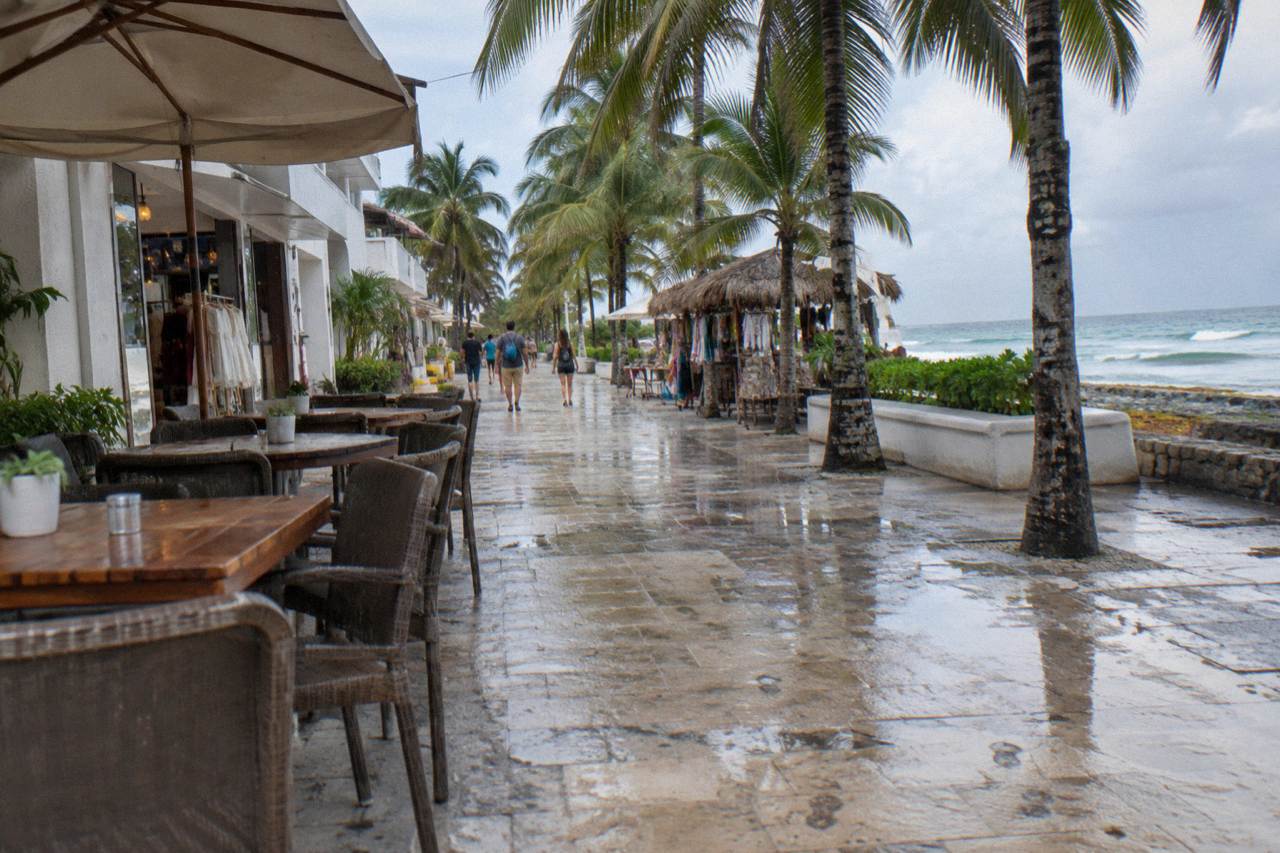
Quinta Avenida, the long pedestrian avenue running parallel to the beach, is the reason Playa del Carmen exists as a resort town at all in its modern form. The passenger ferry to Cozumel started the tourist trade here, and Fifth Avenue grew around the foot traffic that ferry created. Today the town counts 304,942 residents in the 2020 census, and the avenue remains its single most visited street, the place where nearly every first-time visitor ends up within hours of arriving. Walking the full length takes a while at a browsing pace, and the character of the street changes block by block, from the polished restaurant terraces near Parque Los Fundadores to the quieter, more local blocks further north. If you want to budget your time before setting out, a guide to how long the Quinta Avenida walk really takes covers what tends to slow walkers down.
The common criticism is fair as far as it goes. Near the ferry pier the avenue skews toward souvenir shops, timeshare pitches, and restaurants that compete on cocktail specials rather than on the kitchen. Walk a few blocks inland or north and the mix shifts toward taquerias, Yucatecan kitchens, mezcal bars, and bakeries that exist mainly for local appetites. The question of whether the street is worth your time is really two questions: whether you enjoy a lively pedestrian promenade at all, and whether you can find the food worth eating before your patience runs out.
That second question is where a guided walk earns its price. A food tour concentrates the good decisions into three hours: the operator picks the kitchens, orders ahead for the group, and explains what cochinita pibil actually is while you eat it. This site, Playa Del Carmen Food Tours, exists because that gap between the souvenir strip and the real food is easy to miss on your own. If you want to skip straight to the shortlist, these three walks are the strongest options that work the avenue and its side streets.
For readers who prefer to build their own evening, the rest of this page works through the street block by block: what the avenue delivers, where the honest food sits, what a guided walk changes, what it costs, and a final verdict by type of traveler. The answer differs a lot between a couple on a first visit, a family with children, and a returning visitor who has already done the promenade once.
What The Street Actually Delivers
Quinta Avenida delivers atmosphere, convenience, and a dense concentration of food and drink in a walkable, car-free setting. It does not deliver cheap eats by local standards, and it does not deliver the quiet, untouched side of the town. Understanding that trade is the whole decision: you get the most convenient dining corridor on the Riviera Maya, priced and paced for visitors.
The street's core strength is simple geography. It sits one block from the beach, it is pedestrianized along most of its length, and it connects the ferry terminal, Parque Los Fundadores, and the northern hotel zones in a single line. Nothing else in Playa del Carmen puts this many restaurants, bars, cafes, and shops within a ten minute walk of this many hotels. For a visitor with limited Spanish, limited time, or limited interest in negotiating transport, the avenue removes nearly every logistical obstacle to a good evening.
The atmosphere is genuinely pleasant in the early evening. The pedestrian blocks fill with street musicians, terrace tables spill onto the paving stones, and the heat drops as the sun goes behind the buildings. The town's climate is a tropical savannah pattern, with mean daily highs from 27.8 C in January to 32.9 C in August, per the Servicio Meteorologico Nacional normals, so the after-dark hours are when walking the avenue is most comfortable year round. October is the wettest month at 284.3 mm of rain on average and March the driest at 28.1 mm, which matters if you are planning an evening stroll rather than a beach day.
What the street does not deliver is authenticity by default. A strip this concentrated on visitors naturally fills with places optimized for visitors: picture menus in three languages, staff waving you in from the doorway, and prices well above what the same dishes cost a few blocks inland. That is not a scam, it is the standard economics of a tourist promenade, but it means the default experience on the avenue is mediocre food at premium prices unless you choose deliberately. Choosing deliberately is a skill, and it is the one thing a local guide sells.
If you want the shortcut, the Eating With Carmen Walking Tour, rated 4.9 across 1,369 reviews and from $77.51 with the price varying by group size, works the Quinta Avenida area in about three hours with food and drinks included and a group cap of 24. It is the most reviewed walking food tour in town and a reasonable first move for anyone who lands skeptical of the avenue.
Where The Honest Food Sits
The good food clusters in two places: the side streets one or two blocks off the avenue, especially around Avenida 25 and the Mercado Municipal, and the northern stretch of Quinta Avenida itself, where the chains thin out and independent kitchens take over. The blocks closest to the ferry pier are the weakest for eating and the strongest for souvenirs and people watching.
A useful mental map divides the avenue into three zones. The southern zone, from the ferry pier up through the first handful of blocks, is the busiest and the most commercial. This is where the souvenir shops, silver stores, and high-volume terrace bars sit. It is worth walking once for the spectacle and the sea view at Parque Los Fundadores, but it is the least rewarding place to pick a restaurant at random. The middle zone around Calle 12 to Calle 24 mixes international restaurants with Mexican kitchens and improves noticeably. The northern zone past Constituyentes is quieter, more residential in feel, and increasingly where serious eaters end up.
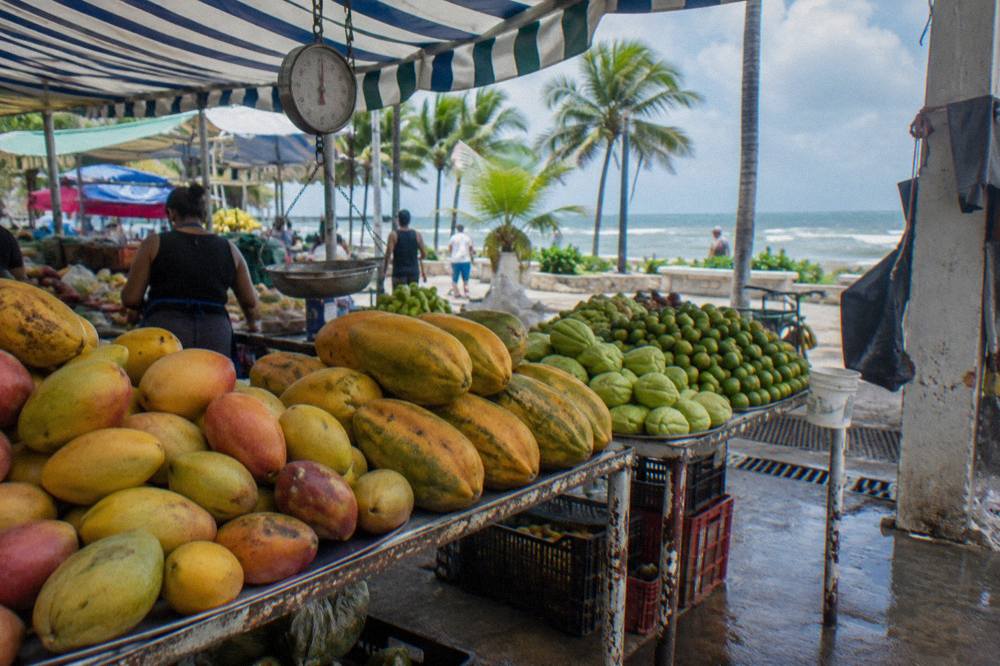
The second cluster sits off the avenue entirely. The Mercado Municipal on Avenida 25 between Calles 8 and 10 is the town's daily working market, the place where residents shop for produce and eat standing up at comedores. Local food guides point to it as the most reliable spot for cochinita pibil in the centro, and the dish itself is the region's signature: a Yucatec Maya slow-roasted pork marinated in citrus and achiote, traditionally cooked in a pit oven. If your image of Fifth Avenue is cocktail buckets and nachos, ten minutes at the market will reset it.
This split is exactly why the guided options on the avenue vary so much in character. The Rockstarcrawls Street Food Crawl, rated 4.8 across 125 reviews and from $69.99 per person for about three hours, moves through the Quinta Avenida area with food and drinks included and a group max of 20, aimed squarely at the street food end of the spectrum. The Secret Food Tours walk with 8 or more authentic Yucatan dishes, rated 5.0 across 44 reviews and from $81.00 per person, uses a small group cap of 12 and leans into regional Yucatecan cooking rather than the international terraces. Same street, very different evenings.
There is also a middle path worth naming: walk the avenue yourself for the atmosphere, then eat one block off it. Several of the town's most reliable kitchens sit on Avenida 30 and the cross streets, where rents are lower and the customer base includes locals. A good plan for a skeptic is to do the promenade at sunset with a drink, then step off the avenue for dinner. For a deeper rundown of where to eat in town, the guide to what to eat in Playa del Carmen covers the regional dishes worth ordering once you have picked a street.
What A Guided Food Walk Changes
A guided walk converts the avenue from a browsing exercise into an eating exercise. Instead of gambling on a terrace, you get a pre-planned route of four to eight stops, dishes ordered ahead, portion sizes managed, and the cultural context that turns a plate of cochinita pibil into something you actually understand. The trade is price and pace: you pay tour prices and move on the guide's schedule.
The core value is curation. On your own, the avenue presents hundreds of options with no way to distinguish the kitchen with a grandmother at the stove from the one reheating from a freezer. A guide has already made and remade those decisions, and the better operators hold relationships with the vendors, which usually means better portions, faster service, and access to dishes that never make it onto a printed menu. On a three hour walk with eight stops, that difference compounds: you eat more, waste less, and skip the two mediocre stops you would have chosen alone.
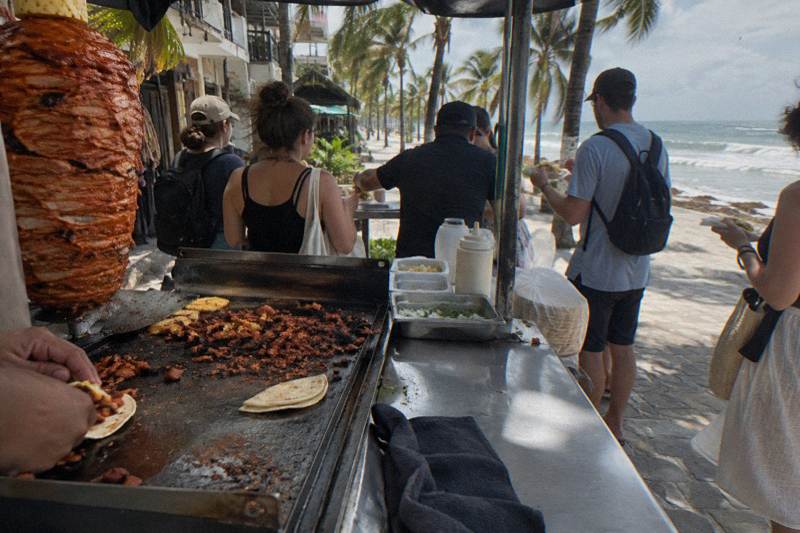
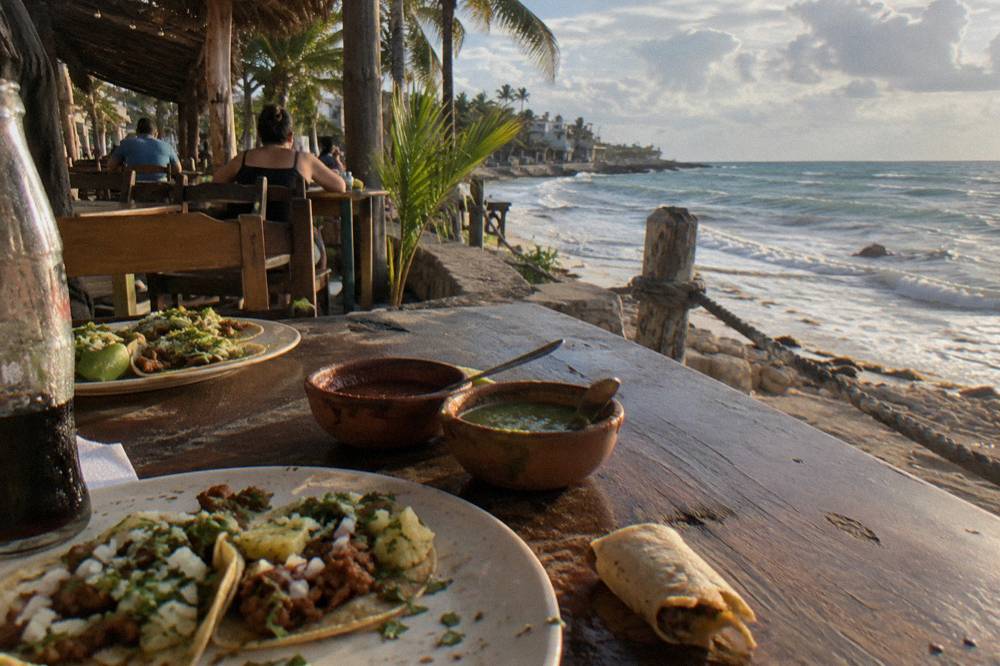
The second value is interpretation. Traditional Mexican cuisine was inscribed on UNESCO's Representative List of the Intangible Cultural Heritage of Humanity in 2010, recognized specifically as an ancestral, living community culture, and the food of the Yucatan carries its own Maya lineage on top of that. A guide who can explain the difference between a Yucatecan cochinita pibil and a central Mexican al pastor, which is not a Yucatecan dish at all, turns a snack crawl into the most interesting history lesson of your trip. That context does not cost extra on a tour; it is bundled.
The trade-offs are real and worth stating plainly. Tours cost more per plate than eating independently, the group moves at a set pace, and on a larger group walk you will make small talk. Free cancellation is listed on most of the food walks in town, which softens the risk of a weather change or a schedule conflict, but the booking page for each tour is the place to confirm the current window and terms before you commit. Dietary needs deserve a message to the operator ahead of booking rather than an assumption; operators can usually work around preferences, but no tour should be presumed able to handle a serious allergy.
For travelers who land firmly on the tour side of this trade, the format comparison matters as much as the operator. A small group walk like the 8 or more dishes Yucatan tour caps at 12 people, while the big walking tours run up to 24. If you are deciding between the two, the small group food tour guide breaks down when the intimacy is worth the difference and when it is not.
What It Costs And When To Go
An evening on the avenue costs almost nothing to walk and whatever you decide to spend on food, with independent dinners on the promenade running above local prices and guided food walks in town clustering from $56.00 to $81.00 per person for roughly three hours. The best hours are late afternoon into evening, and the best months for comfortable walking are the dry stretch from December through April.
The walking itself is free, and the people watching is the cheapest entertainment in town. The spending happens at the table. As a planning range, independent dinners on the avenue itself sit at tourist price levels, while the market and the side streets eat noticeably cheaper; exact figures move with the season, so treat any single number as a snapshot rather than a rule. Guided walks, by contrast, are fixed and published. The street food crawl runs from $69.99 per person, the Yucatan dishes walk from $81.00 per person, and the most reviewed walking tour from $77.51 with the basis varying by group size, all around three hours with food included.
| Option | Format | Duration | Price | Reviews |
|---|---|---|---|---|
| Secret Food Tours, 8+ Yucatan dishes | Small group, max 12 | ~3 hours | from $81.00 per person | 5.0 across 44 reviews |
| Eating With Carmen Walking Tour | Walking tour, max 24 | ~3 hours | from $77.51 | 4.9 across 1,369 reviews |
| Rockstarcrawls Street Food Crawl | Crawl, max 20 | ~3 hours | from $69.99 per person | 4.8 across 125 reviews |
| Walk it yourself | Independent | Flexible | dinner prices only | none |
Timing the walk matters more than timing the year, within reason. The climate data favors the December to April window for dry, comfortable evenings, though the town is walkable year round and the avenue stays lively in every season. Atlantic hurricane season runs June 1 to November 30 with activity peaking around September 10, per the National Hurricane Center, and October is statistically the wettest month here; an evening downpour is more likely in that stretch, so a tour with free cancellation listed is a sensible hedge for bookings in the autumn. Whatever the month, start the walk in the last hour of daylight. The avenue at 5 p.m. and the avenue at 8 p.m. are different streets, and the later one is the one worth the trip.
One legal note that surprises some visitors: the drinking age in Mexico is 18 in all states, with ID required, and mezcal and tequila tastings are a common component of the avenue's food experiences. Guests booking spirit-forward experiences for younger travelers in the group should check the age terms on the booking page rather than assuming.
The Verdict By Type Of Traveler
For a first-time visitor, the avenue is unambiguously worth an evening, ideally with a guide on the food stops. For a returning visitor, it is worth a specific restaurant or bar rather than a full walk. For a food-motivated traveler, it is worth it precisely to the extent that you leave the souvenir blocks, either with a tour or with a good shortlist. Skipping it entirely means skipping the town's most convenient concentration of good food.
A simple way to decide is to match yourself to a row. The street rewards different travelers very differently, and the strongest argument for the avenue is that almost every traveler type gets something from it, provided expectations are set correctly.
| Traveler type | Verdict | Best approach |
|---|---|---|
| First visit, short stay | Worth it | One guided food walk plus one independent stroll |
| Food-motivated | Worth it | Small group Yucatan dishes walk or market plus side streets |
| Returning visitor | Partially worth it | One specific restaurant or bar, skip the promenade lap |
| Family with kids | Worth it early evening | Early dinner, pedestrian safety, shorter route |
| Budget traveler | Worth it off the avenue | Mercado Municipal and side street kitchens |
| Nightlife focused | Worth it late | The avenue's bar stretch after dark |
The families row deserves a note. The pedestrianized avenue is one of the easier places in the region to manage with children: no traffic, food at every step, and short distances between restrooms and ice cream. There is a fuller rundown in the food tour with kids guide for anyone weighing whether a structured walk suits younger children. On safety generally, the pedestrian core stays busy and well lit into the night, and standard tourist precautions apply as anywhere; the 5th Avenue safety question gets its own honest treatment elsewhere on this site.
The budget row is worth a second look too, because it is where the avenue's reputation and its reality diverge most. The street itself has a premium, but two of the best food experiences in town start from $22.00 to $57.31 per person, well under the flagship walks, and they sit within reach of the avenue's edges. The tropical fruit tasting with 15 or more fruits runs from $22.00 per person, and a four hour budget food crawl in the Ejido district runs from $23.46 per person. Neither is a Quinta Avenida product, and that is the point: the avenue is the hub, and the value radiates out from it.
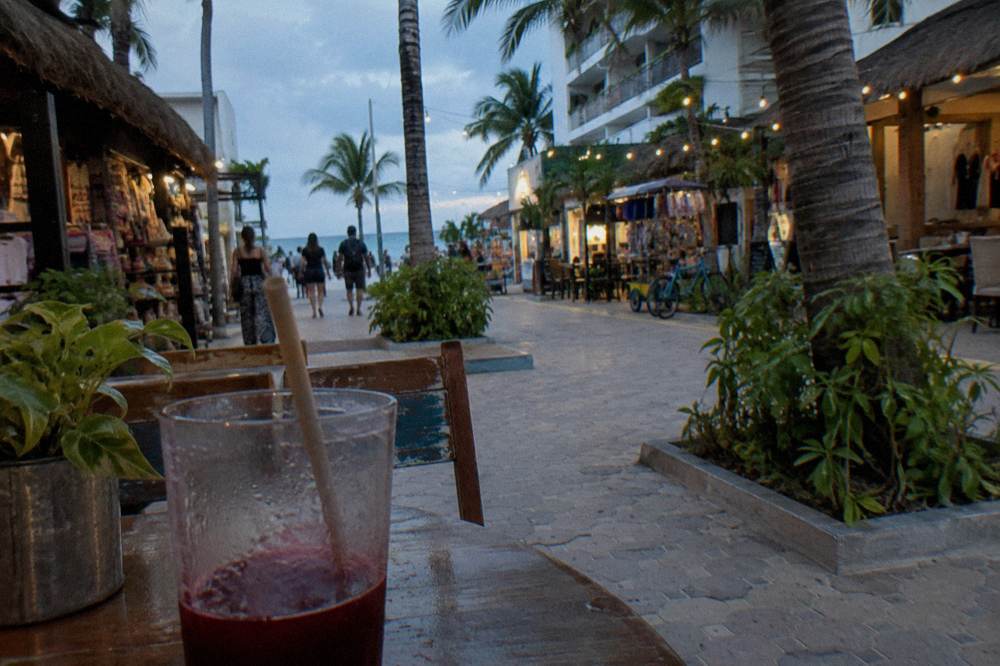
The final framing for a doubter is this: the people who regret Fifth Avenue are almost always the people who treated it as a destination rather than a corridor. Walked blindly, it is a long strip of shops and terrace restaurants at visitor prices. Walked with intent, or with a guide who has intent, it is the front door to one of the more interesting regional food cultures in Mexico, inscribed by UNESCO for a reason. The street is the same in both cases. The plan is the variable.
If the plan you want is a guided one, these are the three walks that best answer the question on this page.
Common Questions About 5th Avenue In Playa Del Carmen
Is It Worth Going To 5th Avenue Playa Del Carmen?
Yes, for most visitors, at least once. The avenue is the town's pedestrian core and its densest concentration of food and drink. It is best experienced in the evening and best eaten with either a shortlist of specific kitchens or a guided food walk, since the blocks nearest the ferry skew toward souvenir retail rather than good food.
How Long Does It Take To Walk 5th Avenue?
The pedestrian stretch runs end to end along the long avenue. At a browsing pace with stops, most visitors spend two to three hours on a partial stretch rather than walking the whole avenue. Starting near Parque Los Fundadores in the last hour of daylight and walking north is the most common and most enjoyable route.
Is Food On 5th Avenue Expensive?
Restaurants on the avenue itself price for visitors, so meals there run above local norms. The reliable savings sit one to two blocks off the avenue, especially around the Mercado Municipal on Avenida 25 and the side street kitchens inland. Guided food walks in town cluster from $56.00 to $81.00 per person for roughly three hours with food included.
Can You Do A Food Tour On 5th Avenue?
Yes, several of the best reviewed food tours in town run in the Quinta Avenida area, including the Eating With Carmen Walking Tour rated 4.9 across 1,369 reviews and the Secret Food Tours walk with 8 or more Yucatan dishes rated 5.0 across 44 reviews. Most last around three hours, include food, and list free cancellation on the booking page.
What Is The Best Time Of Day To Visit?
Early evening, from the last hour of daylight onward. Temperatures drop, the pedestrian blocks fill with music and terrace tables, and the atmosphere the street is known for appears. Midday walks are hotter and thinner, with mean daily highs from 27.8 C in January to 32.9 C in August.
Is 5th Avenue Safe At Night?
The pedestrian core stays busy and well lit into the night and is generally considered comfortable for visitors. Standard tourist precautions apply: keep belongings close, use licensed taxis for longer rides, and stay on the populated stretches late at night. Nothing about the avenue requires special caution beyond ordinary city sense.