What Makes Riviera Maya Cuisine Unique?
Riviera Maya cuisine blends Yucatec Maya pit cooking, achiote and citrus, Caribbean and Lebanese influence, and fresh coastal produce. Here is what defines the food of Playa del Carmen and the coast around it.
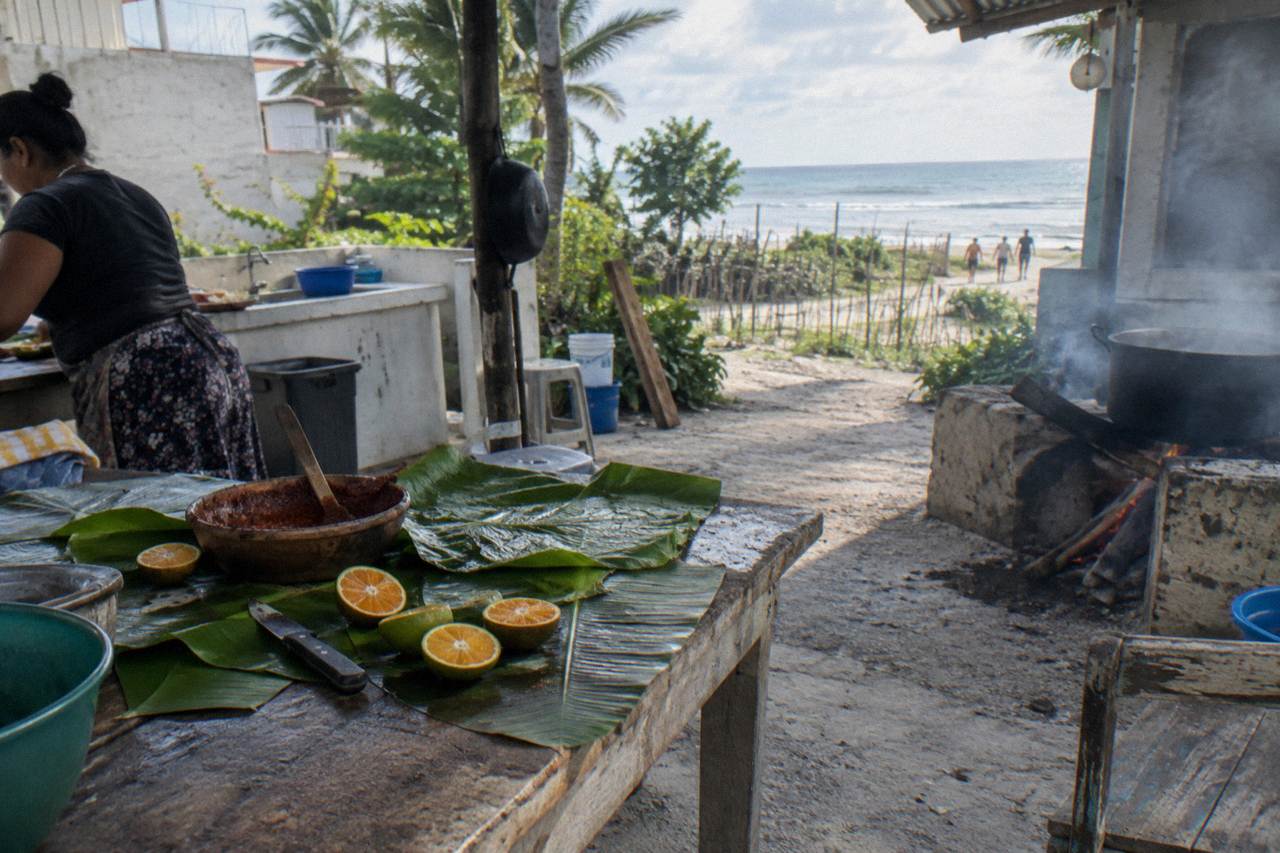
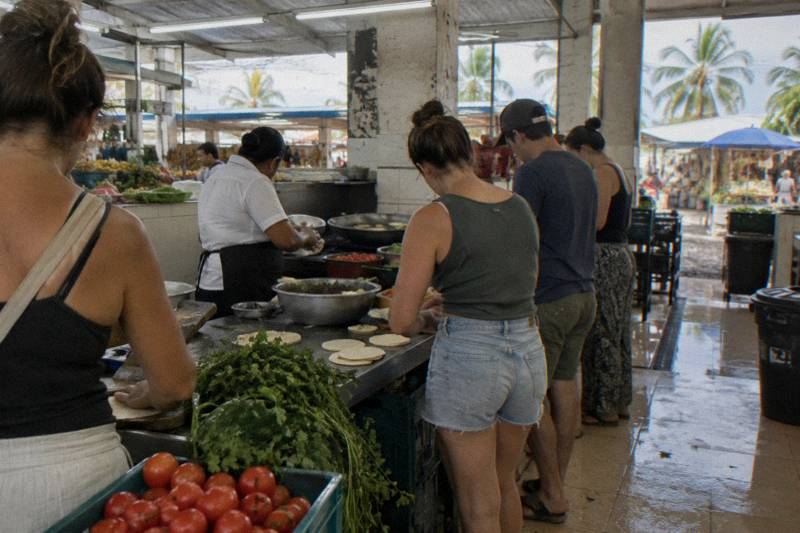
Riviera Maya cuisine is unique because it is Yucatec Maya cooking carried into a coastal tourist town. Its backbone is the pib, a pit-roasting method, plus achiote and sour citrus marinades, banana leaves, corn in every form, and a stretch of Caribbean produce and immigrant influence, Lebanese among them, that northern Mexican kitchens never had. Traditional Mexican cuisine as a whole joined UNESCO's Intangible Cultural Heritage list in 2010, and the Yucatec tradition is one of its oldest surviving branches.
That combination shows up on nearly every menu in Playa del Carmen, from market stalls to the fine-dining rooms the town has become known for. Understanding a handful of core techniques, the pib roast, the recado spice pastes, the citrus-achiote marinade, turns a generic resort menu into something you can actually read with intent. It also tells you which tour or class is worth your evening, because a guide who can explain cochinita pibil is teaching you the region, not just feeding you.
The stakes are higher here than in most tourist towns. Playa del Carmen grew from a fishing village of under 150,000 people at the 2010 census to 304,942 by 2020, and the food scene scaled with it. What could easily have become a strip of interchangeable tourist menus has instead kept a living regional kitchen underneath the resort layer, precisely because the Yucatec tradition was too embedded in daily eating to dislodge. The market still grinds recado in the morning; the stalls still sell panuchos at night; the classes still teach the pit method.
Riviera Maya cuisine is unique because it is Yucatec Maya cooking, pit-roasted pork and poultry marinated in sour citrus and achiote, banana-leaf wraps and recado spice pastes, meeting Caribbean coastlines and immigrant kitchens. UNESCO inscribed traditional Mexican cuisine on its heritage list in 2010, and the Yucatec branch that dominates this coast preserves pre-Hispanic techniques that survive almost nowhere else in Mexico.
The starting point is geography. The Yucatan Peninsula is limestone, flat, and far from the volcanic highlands that shaped central Mexican cooking. There were no big rivers and no silver mines, so the peninsula developed in relative isolation for centuries, and its kitchen kept older methods alive. The signature dish, cochinita pibil, is pork marinated in strongly acidic citrus juice with annatto, wrapped in banana leaves and roasted in a pit. The word pib is Maya and refers to the earth oven itself.
Achiote is the red seed paste that colors and flavors that marinade. Combined with sour orange or lime, it produces the rust-red, tangy profile you taste in cochinita pibil, panuchos, tacos al carbon and half the slow-cooked dishes on local menus. That flavor, earthy, slightly peppery, faintly bitter, sharp with citrus, is the single most recognizable signature of the region and the thing a visitor most often cannot name but remembers.
Then the coast adds its layer. Playa del Carmen was a small fishing village whose tourism trade began with the passenger ferry to Cozumel across the channel. Fresh Caribbean fish, ceviche, and coconut show up alongside the Maya pantry. Al pastor, by contrast, arrived with Lebanese immigrants and is not a Yucatecan dish at all, though it now sells briskly on Avenida 30. The full national context is worth a browse at the cuisine of Mexico overview, which places the Yucatec tradition among the country's distinct regional kitchens.
There is also a practical reason this cuisine travels well for curious eaters. The techniques are simple enough to explain in a sentence and distinctive enough to recognize forever after. Once you know that achiote plus sour citrus plus banana leaf equals the regional flavor, every menu on the coast becomes readable, and every plate becomes a small test of the kitchen. Few destinations hand you a key that works that reliably.
What Food Is The Riviera Maya Known For?
The Riviera Maya is known for cochinita pibil, the citrus-and-achiote pit-roasted pork; recado spice pastes; panuchos and salbutes, fried tortilla snacks topped with shredded meat; lime soup; papadzules; and fresh Caribbean seafood, above all ceviche and grilled catch. Corn, black beans, habanero, sour orange and banana leaves are the pantry staples behind all of it.
Cochinita pibil leads the list and is the region's Sunday dish, traditionally eaten in the morning after overnight pit roasting. Recados are the second pillar: blended spice pastes, black, white and red, that season meats and stews the way curry pastes do in other kitchens. A local cook buys recado negro by weight at the market rather than mixing ten spices at home.
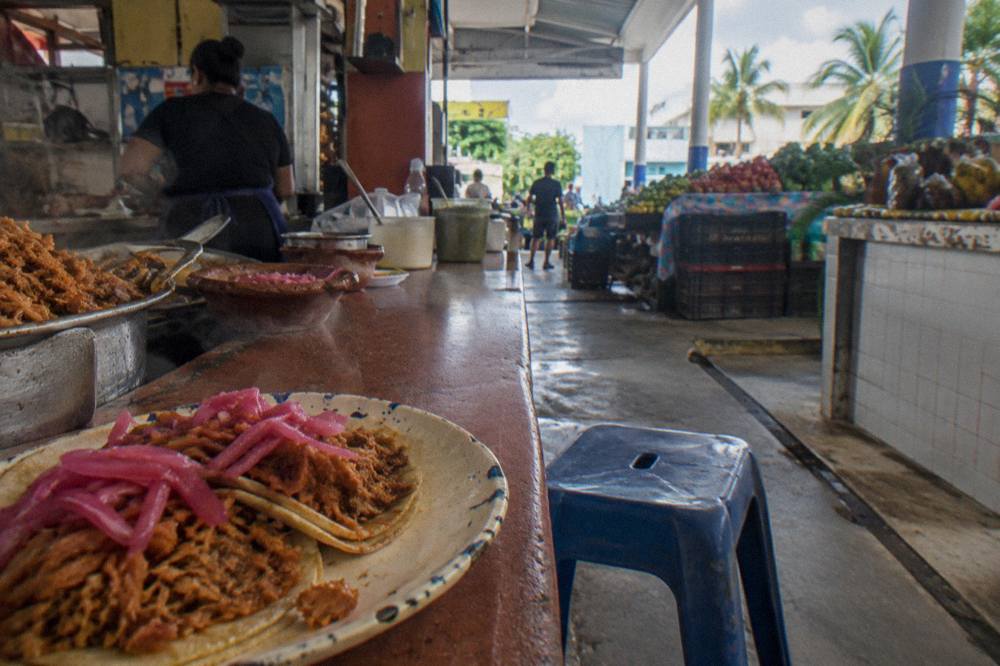
The snacks are what most visitors actually eat first. A panucho is a tortilla puffed, slit and stuffed with black bean paste, then topped with shredded turkey or pork and pickled onion. A salbute skips the beans, puffs the tortilla and tops it the same way. Lime soup, sopa de lima, is shredded turkey in broth with fried tortilla strips and a strong squeeze of local lime. Habanero appears everywhere, usually in a simple charred-chile salsa on the table rather than cooked into dishes.
Seafood closes the circle. Ceviche marinated in lime, whole fried fish, and Campeche-style fish tacos belong to the coast rather than the interior. The distinction matters when reading menus: a restaurant serving cochinita pibil and sopa de lima is cooking the Yucatec canon; one leaning on ceviche and coconut is cooking the Caribbean side of the region's identity. The best local kitchens do both.
| Dish | What It Is | Where It Sits |
|---|---|---|
| Cochinita pibil | Pork marinated in sour citrus and achiote, banana-leaf wrapped, pit roasted | Yucatec core, the region's signature |
| Panucho | Fried tortilla stuffed with black bean paste, topped with meat and pickled onion | Street stalls and markets |
| Salbute | Puffed fried tortilla topped with shredded meat, no bean layer | Street stalls and markets |
| Sopa de lima | Turkey broth with fried tortilla strips and lime | Home-style restaurants |
| Ceviche | Fresh fish cured in lime with tomato, onion, cilantro | Caribbean coastal layer |
| Tacos al pastor | Trompo-spit pork with pineapple, Lebanese-Mexican in origin | Imported, popular, not Yucatecan |
Why Is Pit Roasting Central To Yucatecan Cooking?
Pit roasting, the pib, is central because the limestone Yucatan had little firewood and no clay-rich soil for large hearths, so Maya cooks cooked meat underground with heated stones, sealed under earth. That method defines cochinita pibil and gives Yucatecan food its distinctive smoky, fall-apart texture and deep banana-leaf aroma.
The technique is simple in principle and demanding in practice. A pit is dug, stones are heated in a fire until very hot, the marinated meat is wrapped in banana leaves, placed on the stones and covered with more leaves and soil. The sealed pit holds steam, and the meat braises slowly in its own marinade for many hours. Traditionally the pit was prepared overnight so the meat was ready for the morning meal, which is why cochinita pibil is still eaten at breakfast and lunch rather than dinner.
Modern kitchens mostly approximate the pib in a lidded pot or a low oven, and honest menus say so. A slow braise in citrus and achiote, wrapped in banana leaves, gets close. When a cooking class or restaurant here describes a dish as pibil, that is the flavor being invoked; whether an actual earth pit was involved is worth asking about, and a good guide will answer plainly.
For visitors, the practical value is knowing what to look for. Real pibil-style meat shreds rather than slices, carries the rust color of achiote through the whole piece, and tastes of sour citrus rather than chili heat. If the pork is pale, sweet or smoky-barbecued, it is a tourist adaptation. The tours that walk you through the market stalls of Centro and the classes that teach the marinade from scratch are the ones that deliver this distinction, which is exactly why curiosity about the cuisine so often ends in a booked tour or class.
How Do You Taste The Region Without Eating Blindly?
To taste the Riviera Maya properly, eat where three traditions meet: a market breakfast of cochinita pibil and lime soup, street stalls inland from Quinta Avenida for panuchos and tacos, and a guided tour or cooking class that explains the technique. A three-hour walking tour covers four to six stops and costs from $69.99 to $83.52 per person.
Walking it alone works if you know what to order. The pattern that serves most travelers: one market morning, one evening of street stalls two or three blocks inland from the tourist strip, and one guided experience that fills in the why. The market shows you the raw pantry, recado pastes, banana leaves, heaps of dried chiles; the stalls show the finished snacks at street prices; and the guide or cooking teacher connects the two. Other pages covering the same trip are gathered on Playa Del Carmen Food Tours.
Guided options on this coast cluster around Quinta Avenida and Centro. The Eating With Carmen Walking Tour runs about 3 hours, rated 4.9 across 1,369 reviews, from $77.51 with the price basis varying by group size, so the booking page is the place to confirm it. For depth over distance, Secret Food Tours' 8+ Dishes walk, about 3 hours, rated 5.0 across 44 reviews, from $81.00 per person, builds the evening around Yucatecan dishes specifically. And for travelers who eat plant-based, the Vegan Mexican Food Tour, rated 4.9 across 45 reviews, from $83.52 per person, proves the citrus-achiote pantry works without the pork.
A cooking class goes one step further than a tour because you build the marinade yourself. The class listed here as the Juan More Taco Cooking Class runs about 3 hours in the Ejido district, rated 5.0 across 333 reviews, from $103.66 per person, and centers on tacos built from scratch, tortillas included. Longer formats add spirits: the 5-Hour Class, Tequila and Mezcal, rated 4.9 across 158 reviews, from $105.00 per person, pairs the cooking with a guided tasting. The guide to choosing a cooking class in Playa del Carmen breaks down the formats side by side, and the taco-making class guide covers the tortilla-first options.
How Did Immigration And The Coast Change The Food?
The coast changed the food by adding Caribbean seafood, coconut and, through Lebanese immigrants in Mexico, the trompo spit that became tacos al pastor. Playa del Carmen then layered international resort dining on top, so today a single street can hold a Maya pit tradition and a Lebanese-derived trompo, two traditions that never touched until the town drew cooks from across the country.
The Lebanese-Mexican story is the clearest example. Immigrants brought vertical-spit roasting of marinated meat; Mexican cooks adapted it to pork and pineapple and created al pastor, now one of the country's defining street foods. It is delicious and it is everywhere in Playa del Carmen, but it belongs to the national story, not the Yucatec one. A taco crawl that includes both a trompo and a cochinita stand is tasting two different streams of Mexican food history in one evening.
The Caribbean side is older and quieter. Fishing villages along this coast ate from the reef and the sea long before the hotels arrived, and ceviche, whole fried fish and seafood cocktails remain the coastal counterweight to the peninsula's pork-and-corn canon. Coconut, chaya, a local leafy green, and tropical fruit, mango, mamey, soursop, round out a pantry the highlands never had. A guided tasting of 15 or more tropical fruits, from $22.00 per person, is the cheapest way to meet that half of the region, and the tropical fruit tasting guide lists what is in season when.
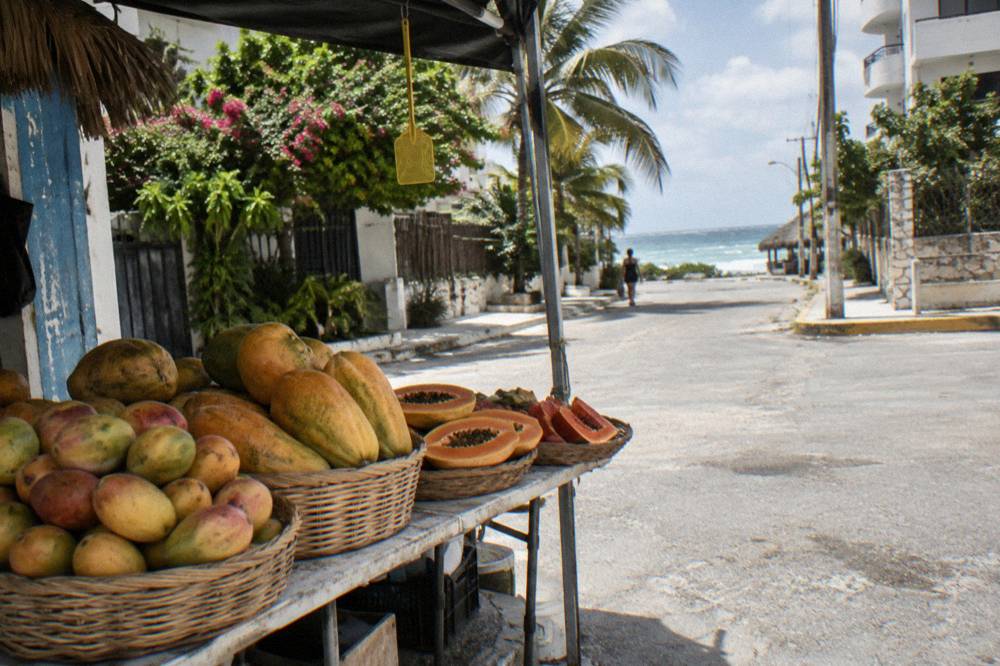
The newest layer is the resort-era one. That has not displaced the market stalls; it has raised the ceiling. The unique thing about eating here is that a UNESCO-listed cooking tradition, a fishing-village coast and a serious modern dining scene sit within a twenty-minute walk of each other. The site's best restaurants in Playa del Carmen guide maps that range.
What Should You Cook Or Book To Understand The Cuisine?
To actually understand Riviera Maya cuisine, cook one pibil-style dish from scratch or take a class that grinds its own recado. The strongest local classes run 3 to 5 hours and cost from $85.00 to $120.00 per person; the most reviewed, rated 5.0 across 333 reviews, teaches tacos from the masa up in about 3 hours.
Reading about a marinade is one thing; blending achiote with sour citrus, wrapping pork in banana leaves and waiting is another. Cooking classes in Playa del Carmen overwhelmingly teach the Yucatec canon, because that is the cuisine visitors cannot get at home. You leave with a recipe that works in a normal oven, which is the honest modern substitute for the pit.
| Experience | Format | Price From | Reviews |
|---|---|---|---|
| Juan More Taco Cooking Class | About 3 hours, Ejido district | $103.66 per person | 5.0 across 333 reviews |
| 5-Hour Class, Tequila and Mezcal | About 5 hours, Carretera Federal | $105.00 per person | 4.9 across 158 reviews |
| Cozumel Chef Cooking Class | About 3 hours, meets in Playa del Carmen | $120.00 per person | 4.9 across 41 reviews |
| 9 Recipes, Bottomless Drinks | About 4 hours | $85.00 per person | 4.9 across 39 reviews |
Note that the class with "Cozumel" in its marketing name meets in Playa del Carmen; it is a Playa class. Formats differ mostly in depth and drinks: the 9 Recipes class packs the most dishes into four hours with bottomless drinks, the 5-hour format adds a tequila and mezcal tasting, and the taco-centered class keeps the focus tight on masa, marinade and fire. Whichever you choose, message the operator before booking about allergies or dietary needs rather than assuming accommodation.
How Does The Climate Shape What Grows And Eats Here?
The Riviera Maya's tropical savannah climate, with mean daily highs from 27.8 C in January to 32.9 C in August and a wet season from June to November, shapes the cuisine by making citrus, banana leaves, chaya and tropical fruit available year round while concentrating root vegetables and pit cooking in traditions built for slow, fuel-efficient heat.
The numbers explain the pantry. Playa del Carmen's driest month is March at 28.1 mm of rain and its wettest is October at 284.3 mm, with roughly 102.8 rainy days spread across the year. That is a growing season that never really stops. Sour orange trees, banana plants, chaya hedges and backyard chile plants produce through the calendar, which is why the regional kitchen leans on fresh, perennial ingredients rather than stored grains or long-braised winter cuts. Habanero and Xcatik peppers, both regional staples, fruit repeatedly through the warm months.
Heat also explains cooking style. An earth pit or a covered braise cooks overnight without someone standing over a fire in 32-degree afternoon heat, and the heavy midday sun pushes eating toward the cooler morning and evening hours. That rhythm survives in the food culture: cochinita pibil is a morning food, markets are busiest early, and the street stalls light up after dark. Visitors who eat on a northern-European schedule, a big lunch at one and dinner at nine, are slightly out of phase with how the coast actually eats.
For travelers, two practical consequences follow. Fruit is at its best and cheapest in the months after the summer rains, and the sargassum season that affects the beaches in most summers since 2011 has no effect at all on the markets, the stalls or the classes inland. A food-focused day in Playa del Carmen is close to weatherproof, one of the quiet advantages of building a trip around eating rather than around the beach.
Common Questions About Riviera Maya Cuisine
What Makes Riviera Maya Cuisine Unique?
It is Yucatec Maya cooking at its core: pit-roasted meats marinated in sour citrus and achiote, banana leaves, recado spice pastes and corn, layered with Caribbean seafood and immigrant influences such as Lebanese-derived al pastor. The pib earth-oven tradition survives here in daily cooking, which is rare in the rest of Mexico.
What Food Is The Riviera Maya Known For?
Cochinita pibil, panuchos, salbutes, sopa de lima, papadzules, recado-marinated meats, and fresh Caribbean seafood, especially ceviche. Habanero salsa, black beans and tortillas pressed from fresh masa accompany nearly all of it.
Is Cochinita Pibil Really Cooked In A Pit?
Traditionally yes, in an earth oven called a pib, sealed with heated stones and banana leaves overnight. Most restaurants today approximate it with a slow braise in citrus and achiote. A dish described as pibil should taste of sour citrus and achiote and shred rather than slice.
Are Tacos Al Pastor A Riviera Maya Dish?
No. Al pastor descends from Lebanese immigrant vertical-spit cooking and is a central Mexican street food adopted locally. It is popular in Playa del Carmen but is not part of the Yucatec Maya tradition that defines the region's cooking.
How Does The Climate Affect The Food Here?
Tropical conditions with mean daily highs of 27.8 to 32.9 C and year-round growth keep citrus, banana leaves, chaya and tropical fruit in constant supply. Heat also shaped the cooking rhythm: pit and braise methods run unattended, and the strongest food hours are early morning and after dark.
What Is The Best Way To Taste The Cuisine As A Visitor?
Combine one market morning, one evening at street stalls inland from Quinta Avenida, and one guided experience. Walking food tours run about 3 hours from $69.99 to $83.52 per person; cooking classes that teach the marinade from scratch run 3 to 5 hours from $85.00 per person.